କୋରାପୁଟ · Koraput, Odisha

Where the Eastern Ghats meet the clouds

Misty peaks, roaring waterfalls, ancient cave temples and living tribal culture. Discover Odisha’s highland district with Mo Koraput, your local guide to every hill, river and festival.

1,672 m

Deomali, highest peak in Odisha

~175 m

Drop of Duduma Waterfall

3

Great rivers: Kolab, Machkund, Indravati

2012

FAO Global Agricultural Heritage site

About Koraput

A highland of hills, rivers and people

Koraput sits on two green plateaus of the Eastern Ghats in southern Odisha, at around 2,000 and 3,000 feet. The air is cooler than the coast, the hills roll on to the horizon, and streams run through every valley.

Half the district’s people belong to tribal communities such as the Paroja, Kondh, Gadaba and Bhumia, each with their own language, dance and festivals. Their farming traditions, including hundreds of native rice varieties, led the UN’s FAO to name Koraput a Globally Important Agricultural Heritage System in 2012.
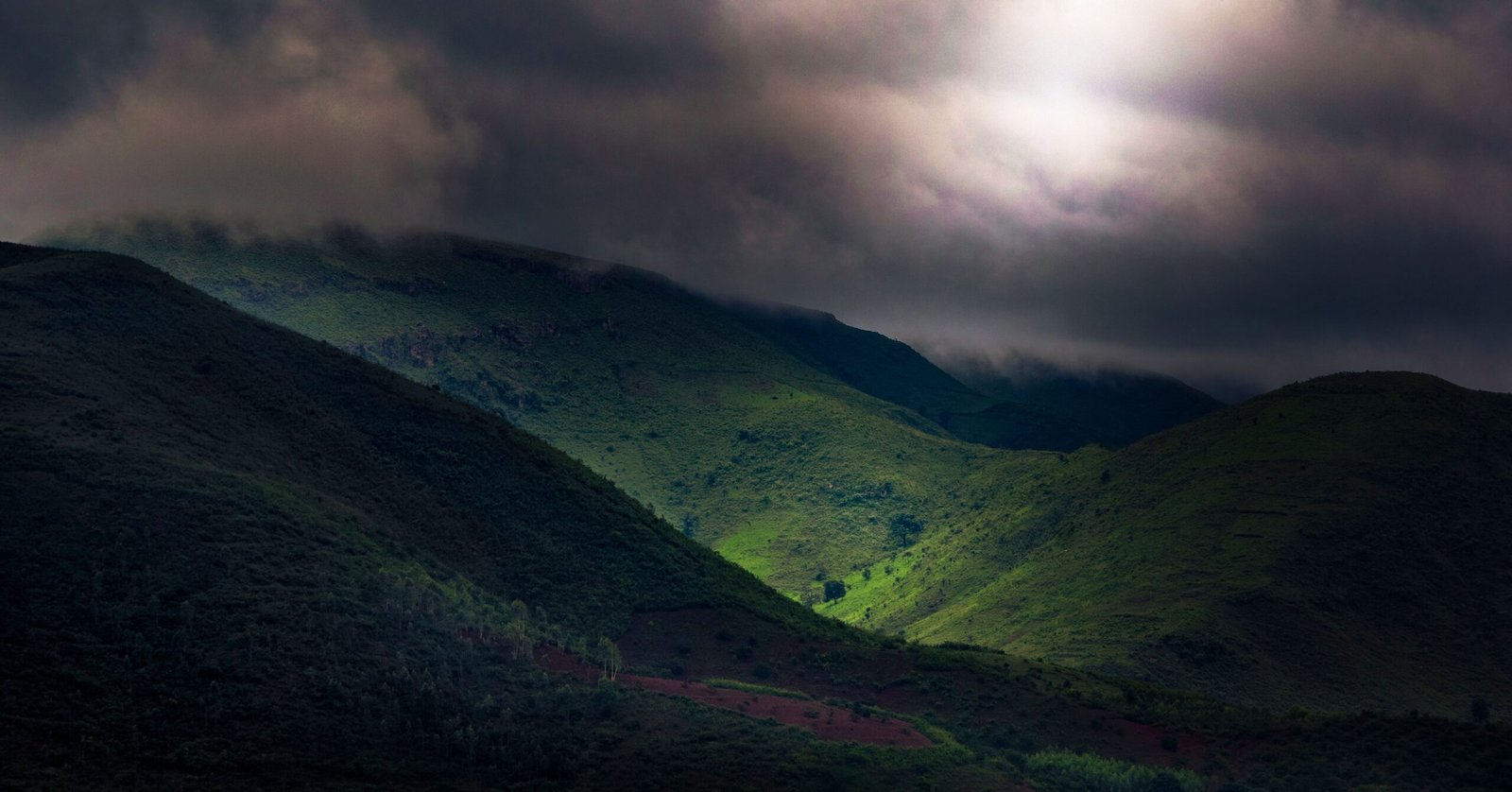
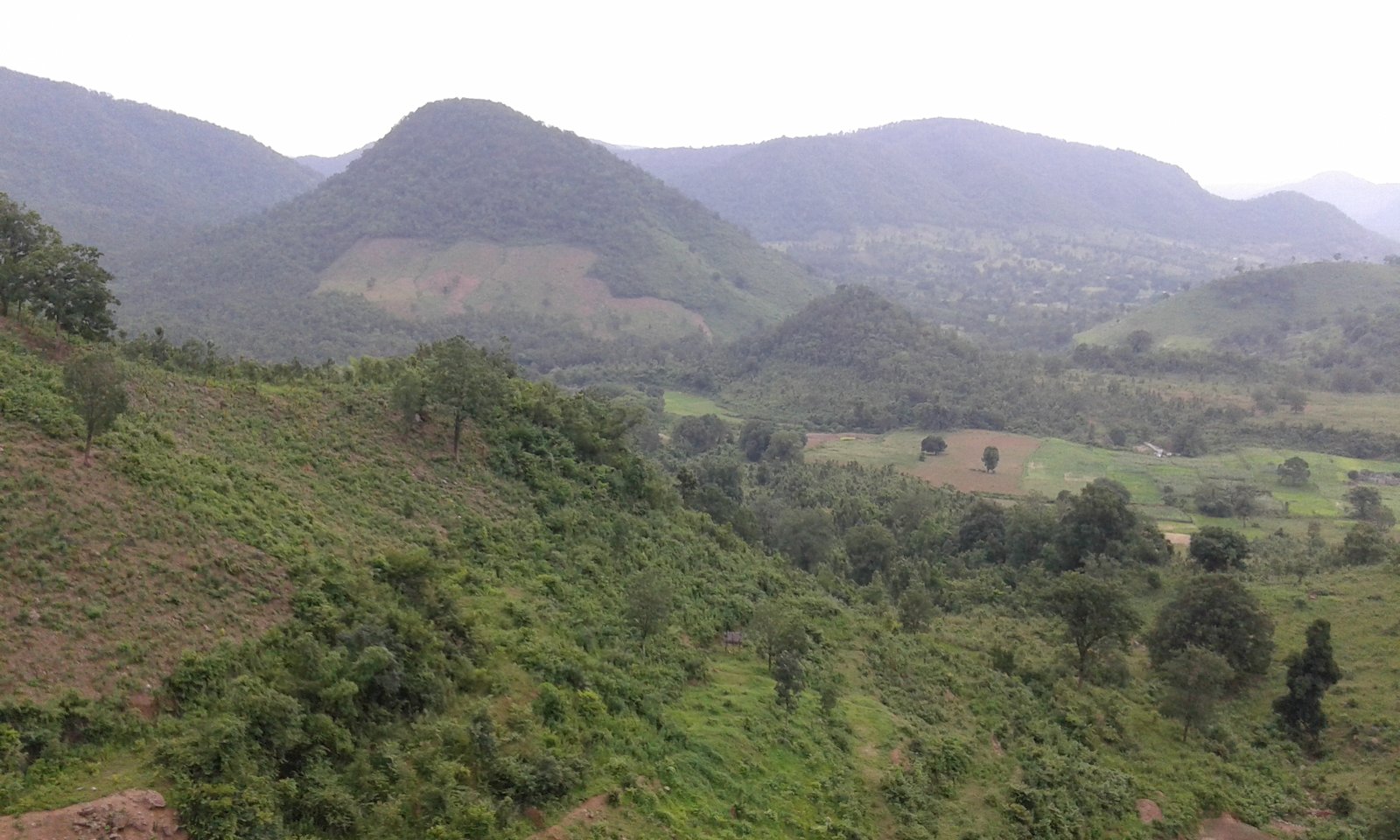
Scenic view of Koraput hills under dramatic clouds, displaying lush greenery and dynamic lighting.

1,672 m

Deomali, the highest point in Odisha

Natural wonders

Mountains, waterfalls and quiet lakes

Distances are approximate road distances from Koraput town. Every card photo can be swapped for your own picture in Elementor.

Mountain · 60 km

Deomali Peak

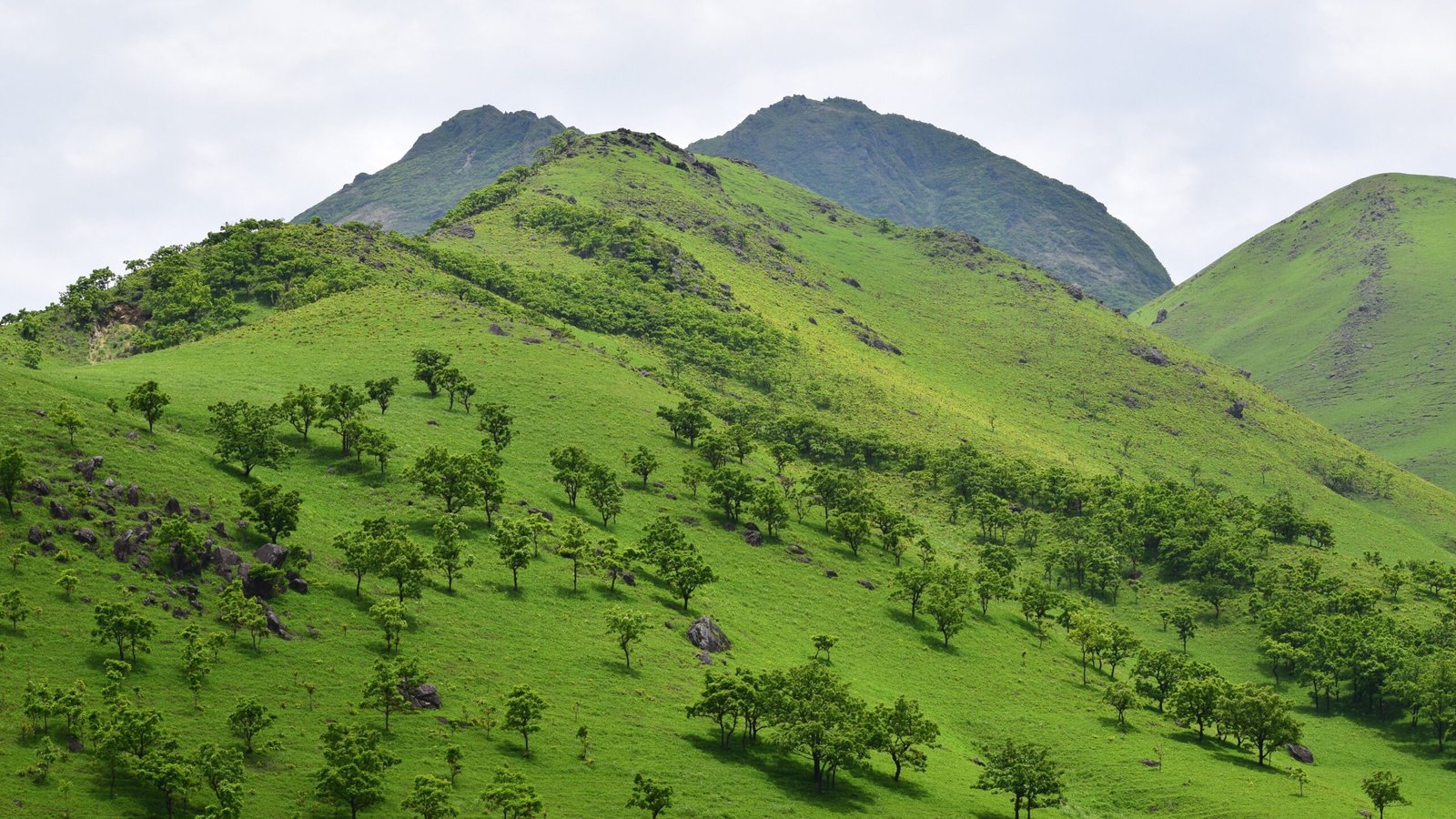
The roof of Odisha at about 1,672 m, in the Chandragiri–Pottangi range of the Eastern Ghats. Grassy ridges, brooks and deep valleys open up to sweeping views at sunrise. Popular for trekking and camping.

Tip: Start before dawn for the sunrise and the sea of clouds.

Waterfall · 80 km

Duduma Waterfall

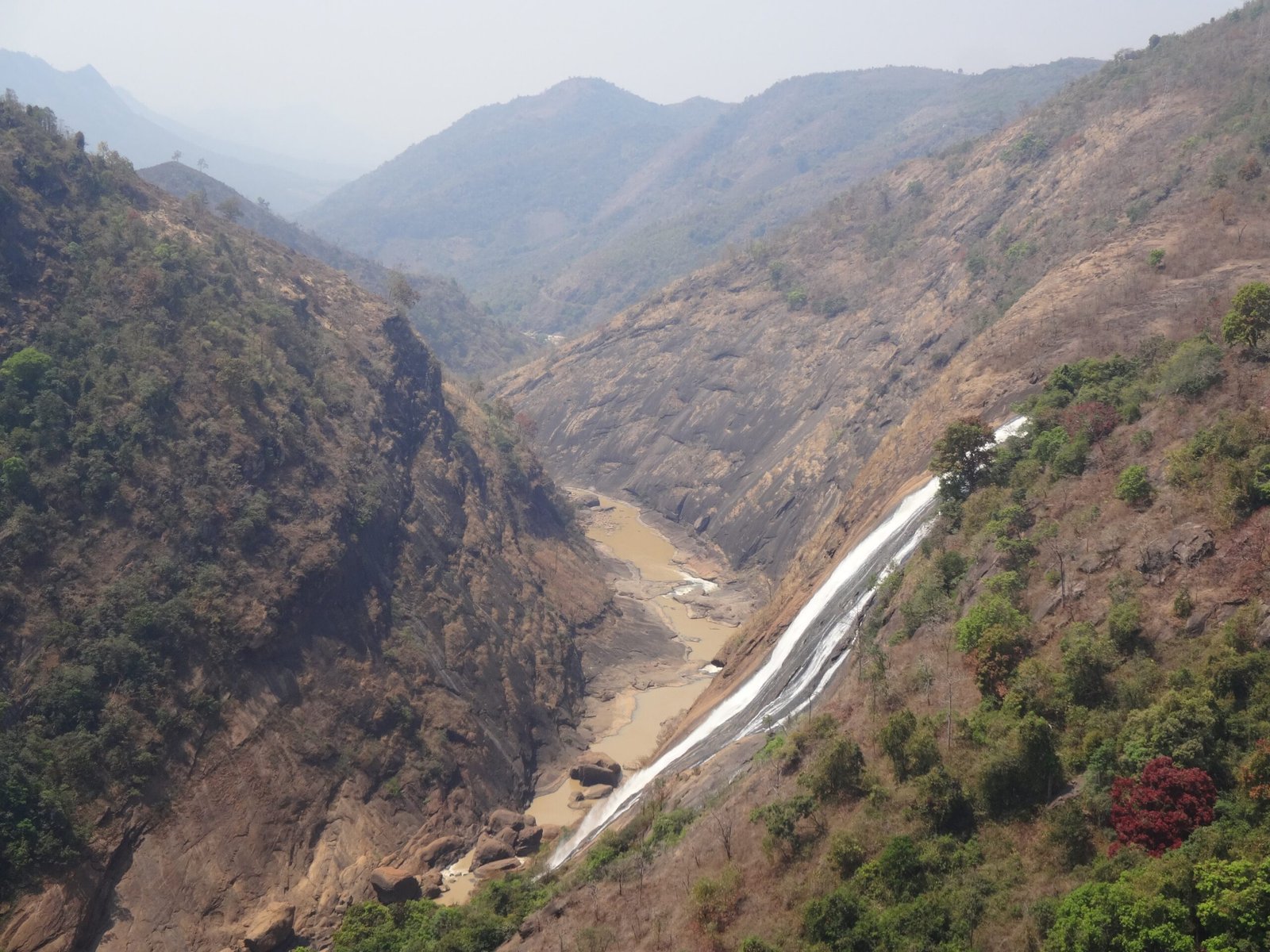
The Machkund river plunges about 175 m in two falls, one on the Odisha side and one on the Andhra side. Also called Matsya Tirtha, it sits beside the Machkund hydro project and is fiercest after the monsoon.

Tip: Visit August to November when the flow is at its peak.

Waterfall · 25 km

Bagra Waterfall

Here the Kolab river tumbles off the high plateau toward Jeypore in a wide, rocky cascade. Close to town, easy to reach, and a favourite picnic spot for local families.

Tip: Pair it with Kolab Dam on a half-day trip.

Lake & dam · 20 km

Kolab Reservoir

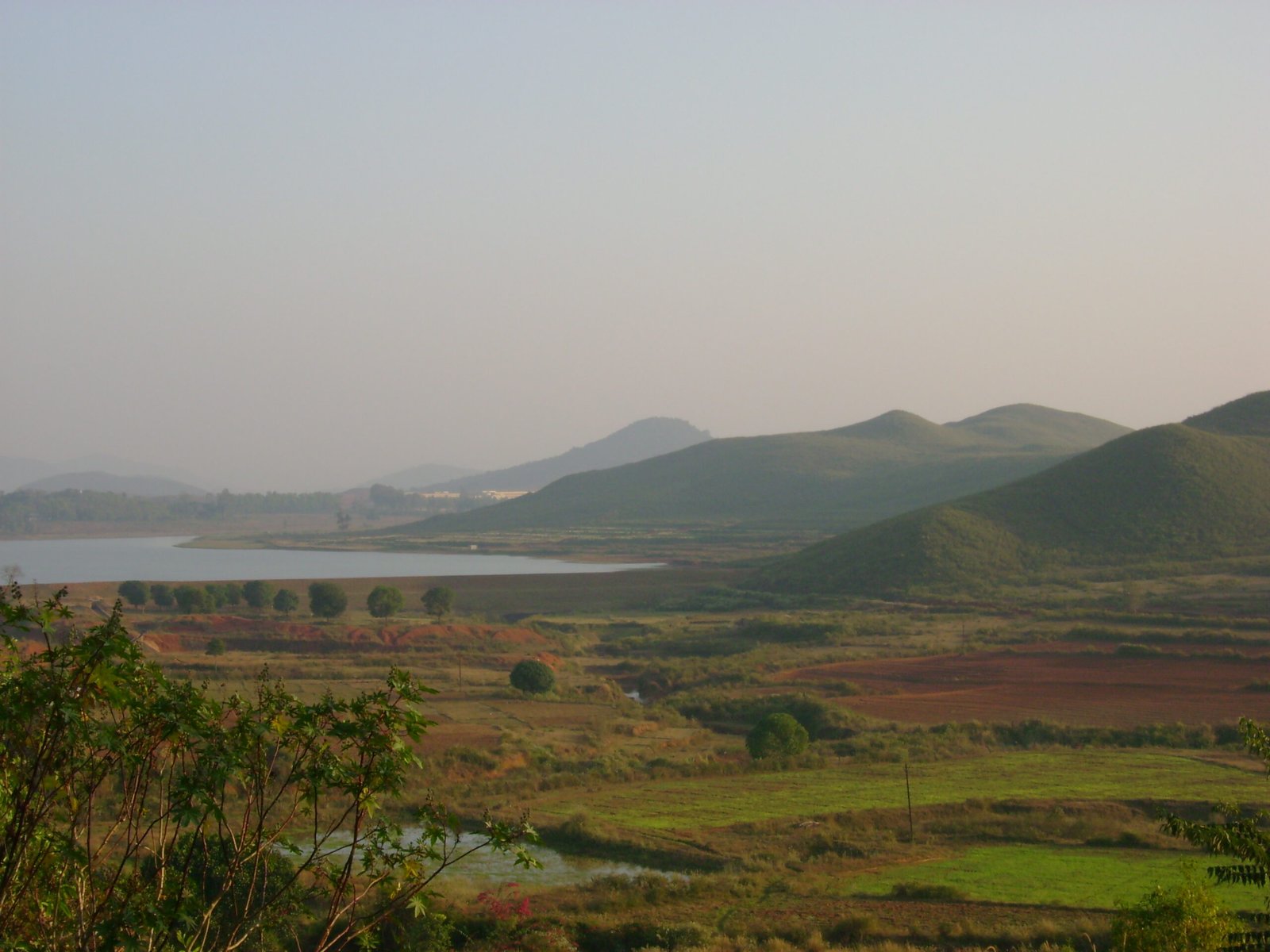
A vast blue lake ringed by hills, formed by the Kolab dam. Calm water, boating, a botanical garden and Kanspabali, a small island inside the reservoir.

Tip: Go late afternoon for golden light on the water.

Waterfall · 46 km

Rani Duduma

A quieter waterfall in a green gorge, part of the Duduma system. Fewer crowds, cool spray and forest all around make it a peaceful alternative to the main falls.

Tip: Wear shoes with grip; rocks stay wet all year.

Reservoir · 77 km

Jalaput Dam

On the Machkund river along the Odisha–Andhra border, Jalaput’s long reservoir mirrors the surrounding hills. Wide views, fresh air and a scenic drive through tribal villages.

Tip: Combine with Duduma Waterfall on the same day.

Streams of life

Three rivers shape Koraput

Kolab

Rises near Sinkaram on the Andhra border, fills the Kolab reservoir, then drops at Bagra toward Jeypore. Downstream it becomes the Sabari.

Machkund

Known further down as the Sileru. Runs along the Odisha–Andhra border, feeds Jalaput Dam and falls hundreds of feet at Duduma.

Indravati

Forms Koraput’s northern boundary with Nabarangpur before flowing west into Chhattisgarh’s Bastar region.

Famous places

Temples, history and tribal culture

Koraput’s story runs from ancient Jain shrines to the Jeypore kings and the tribal roots of Lord Jagannath.

Shiva shrine · 80 km

Gupteswar Cave Temple

A limestone cave above the Kolab river, wrapped in sal forest. About 200 steps lined with champak trees lead to a large Shiva lingam. Legend says Lord Rama found it; thousands gather here at Shivaratri.

Tip: Visit in Shravan to see the Kanwariya pilgrims.

Jagannath temple · Koraput town

Sabara Srikhetra

Koraput’s hilltop Jagannath temple honours the tribal Sabara roots of Jagannath worship. A calm, beautifully kept complex and one of the best-known landmarks in Koraput town.

Tip: Evening aarti is a lovely time to visit.

Culture · Koraput town

Tribal Museum

Koraput district is home to dozens of tribal communities. The museum displays their ornaments, tools, musical instruments, weaving and everyday life, a must-see before exploring the villages.

Tip: Check opening days before you go.

Heritage · 35 km

Subai Jain Temples

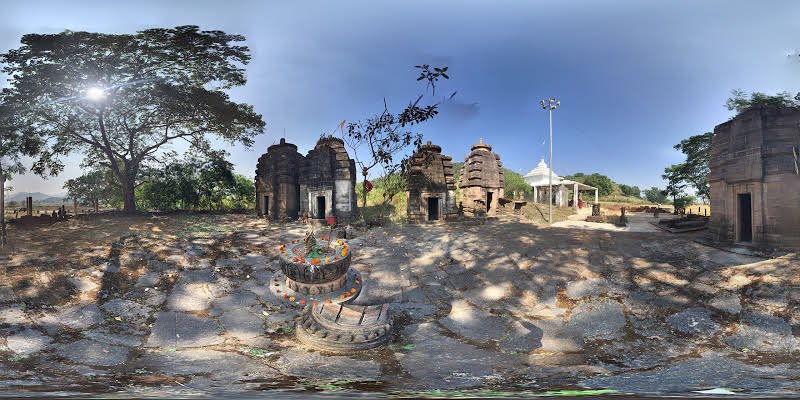
An ancient complex of Jain temples known for rare images of the tirthankaras around Rishabhanatha, and a four-armed Tara idol. A reminder of Koraput’s long, layered history.

Tip: Ask locals about the annual Parab festival here.

Old capital

Nandapur

Before Jeypore, Nandapur was the seat of the region’s kings. Old shrines and stone remains scattered among paddy fields tell stories of the Jeypore kingdom.

Tip: Hire a local guide to find the lesser-known ruins.

Plateau town · 18 km

Sunabeda

A green plateau town known for the HAL aero-engine factory, its Jagannath temple and scenic viewpoints. A good, quiet base between Koraput and Jeypore.

Tip: Great stop on the way to Duduma.

Plan your visit

When to go and how to get here

Best time to visit

October – February

Cool, clear and green. Best for Deomali treks, sightseeing and camping. Nights can be very cold on the hills.

July – September

Monsoon. Waterfalls are at full power and the hills turn emerald. Roads can be slippery, so plan extra time.

March – June

Warmer days but still milder than coastal Odisha. Fewer visitors and good light for photography.

How to reach

Travel tip: mobile signal is patchy near Deomali and Duduma. Carry cash, water and a light jacket, and start early on hill roads.

Taste & craft

Take a piece of Koraput home

Koraput Kalajeera Rice

A fragrant black-grained rice grown by tribal farmers. It received a GI tag in 2024, the first rice from Odisha to earn one.

Kotpad Handloom

GI-tagged cotton weaves from Kotpad, dyed in deep maroon and brown with natural aal (madder) root by Mirgan weavers.

Hill Coffee & Millets

Coffee grown on the cool plateau and ragi-based local food. Try mandia (ragi) dishes at village haats.

Your Koraput journey starts here

Follow Mo Koraput for travel guides, festival dates, local stories and hidden spots across the district.

mokoraput.in